

The D2C industry in India is rapidly expanding, as people in smaller cities are showing interest in trying out new brands. Over the last few years, eCommerce and D2C have grown a lot, and the pandemic has played a big part in this. With the pandemic making people shop online, sales of over Rs. 20 lakh crore have been made globally. As more and more people shop online, the way they buy things is also changing. The D2C industry is already going through some changes, and it's important to adapt to these changes. Let's take a look at some D2C trends we can expect in 2023 and beyond.
Hyper-Personalized Shopping

Hyper-personalized shopping is a retail strategy that leverages data and technology to offer a highly personalized shopping experience to customers. It goes beyond traditional personalization techniques like using the customer's name or recommending products based on their purchase history. With hyper-personalization, retailers can provide customized product recommendations, personalized promotions, and even personalized prices based on the customer's browsing and purchase history, preferences, location, and other relevant data. This approach is becoming increasingly popular among retailers as it helps to improve customer engagement, loyalty, and sales. Take Nykaa, for example. Nykaa, a marketplace, has launched a new feature called Routine Finder. It creates a customized routine for skin, hair, and overall wellness. SkinGenes Rx, another cosmetics company, offers targeted skincare programs based on the skin’s genetics. Another good example is Qua Nutrition, which suggests nutrition products after analyzing every individual’s health requirements. Plugins like Visidea, WooCommerce 360º Image, Advanced Product Fields, and more can help you provide personalized shopping recommendations to your customers on WooCommerce. And for Shopify, you can try Product Customizer App, Qstomizer App, and Zepto Product Personalization App.
Social Commerce
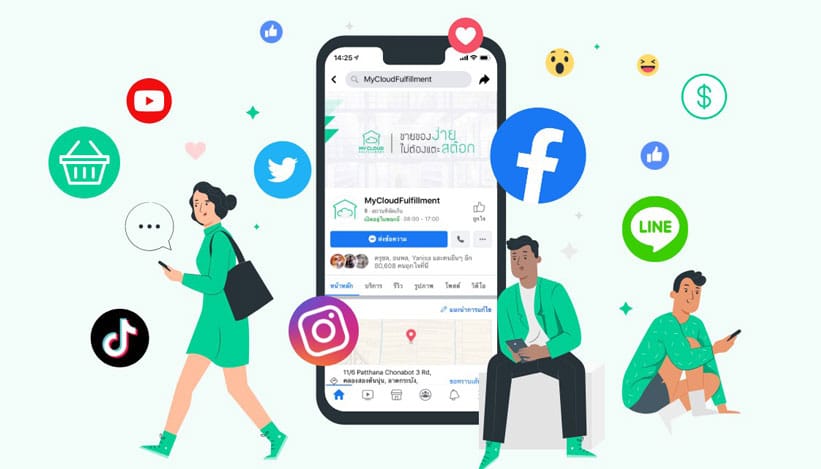
Social commerce refers to the use of social media platforms like Facebook, Instagram, and Pinterest to facilitate online transactions. It combines social media and eCommerce, allowing customers to browse, purchase, and share products directly from their favorite social media platforms. Social commerce typically involves the use of native shopping features like shoppable posts, product tags, and buy buttons, making the shopping experience more seamless and convenient for customers. This approach is gaining traction as it provides an opportunity for retailers to leverage social media's massive reach to drive sales and reach new customers. It also offers customers a more personalized and social shopping experience, as they can get recommendations from friends and influencers, and interact with brands in real-time.
As per Statista, social commerce is expected to grow at 30.8% CAGR from 2022 to 2030, and another report says that almost 70% of small businesses are already present on at least one social media platform.
Product Sampling
Product sampling is a marketing strategy that involves giving customers free samples of a product to encourage them to try it out and potentially make a purchase. It is a popular technique used by businesses to introduce new products, build brand awareness, and generate interest among potential customers. Samples can be distributed in various ways, such as in-store, through direct mail, or online. This approach is particularly effective for products that customers may be hesitant to purchase without trying them first, such as skincare or food products. By providing customers with a sample, businesses can help build trust and credibility, and increase the likelihood of a purchase. It also allows customers to test out products before committing to a full purchase, which can lead to higher customer satisfaction and repeat business.
Online-to-Offline Approach
“Having your store is in itself a good way to publicize your D2C brand,”
- Vineeta, CEO of Sugar Cosmetics.

The online-to-offline (O2O) approach is a marketing strategy that aims to drive customers from online channels to physical stores or offline experiences. It recognizes that while customers may discover products and services online, they often prefer to make purchases in-store or participate in experiences that cannot be replicated online. The O2O approach seeks to bridge this gap by using digital channels to drive traffic to physical locations or events, and vice versa. This can involve tactics such as offering online discounts for in-store purchases, promoting in-store events on social media, or using mobile apps to facilitate in-store purchases. The O2O approach is particularly useful for businesses that operate in both the online and offline space, as it allows them to leverage the strengths of each channel to create a seamless and convenient customer experience.
Although digital channels have a major role to play in building brand awareness, they are now expanding to establish an offline presence as well. With an offline presence, brands can expect to cater to a larger base of customers. Being available offline allows customers to interact with brands through multiple touchpoints.
Artificial Intelligence

Lenskart, for example, uses 3D AI technology that allows customers to try various frames right from the comfort of their homes. The result is an augmented shopping experience. You can use AI to do upsell as well. For instance, if your customer has added a moisturizing cream to the cart, leverage AI to suggest hand and foot cream that will suit their skin type.
Sustainability

Some good examples of D2C brands going sustainable are mCaffeine, Minimalist, Aachoo, Conscious Chemist, Bellavita, Discover Pilgrim, Earth Rhythm, Khadi Natural, and a few more. mCaffeine and Conscious Chemist protects the environment by recycling their plastic, while the rest provide sustainable, naturally-source, and cruelty-free products.
Whilst we are at it, If you would like to understand and implement these growth trends in your business all you have to do is reach out to us. We are here to help you grow in your part to achieve digital success with your business.


0 Comments